
Design · 2026-10-11
Why case diameter tells only half the design story
A watch’s real proportions emerge from lugs, bezel, dial opening and thickness.
Save this watch to revisit later.
By Chronolume digest · Original English summary · Based on Chronolume original analysis; background: Orelvant
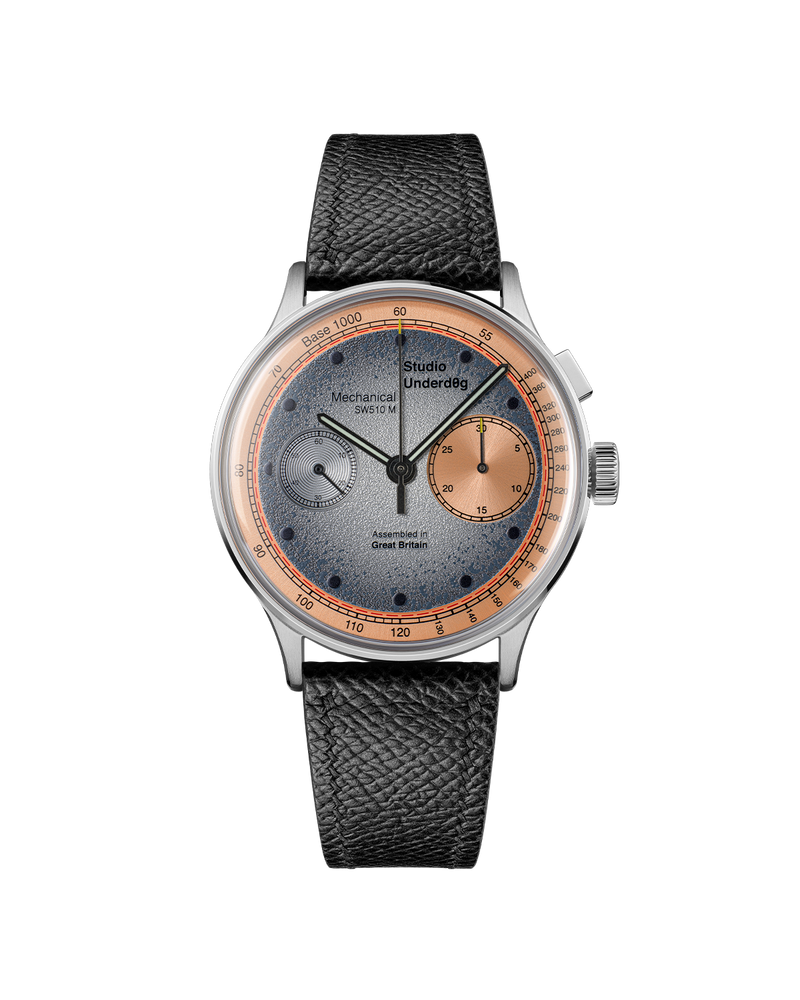
What to know
Watch enthusiasts talk obsessively about case diameter. A new release is praised for measuring 38mm or criticised for reaching 44mm, as though a single number could capture the experience of wearing it. Diameter matters, but it is only the beginning of the design story. Two watches with identical measurements can look and feel remarkably different.
Consider the dial opening. A thin bezel allows the dial to occupy most of the watch's visible face, often making it appear larger. A wide rotating bezel compresses that opening and creates a more compact impression. The placement of the minute track, colour contrast at the dial edge and thickness of the crystal can all shift the perceived scale.
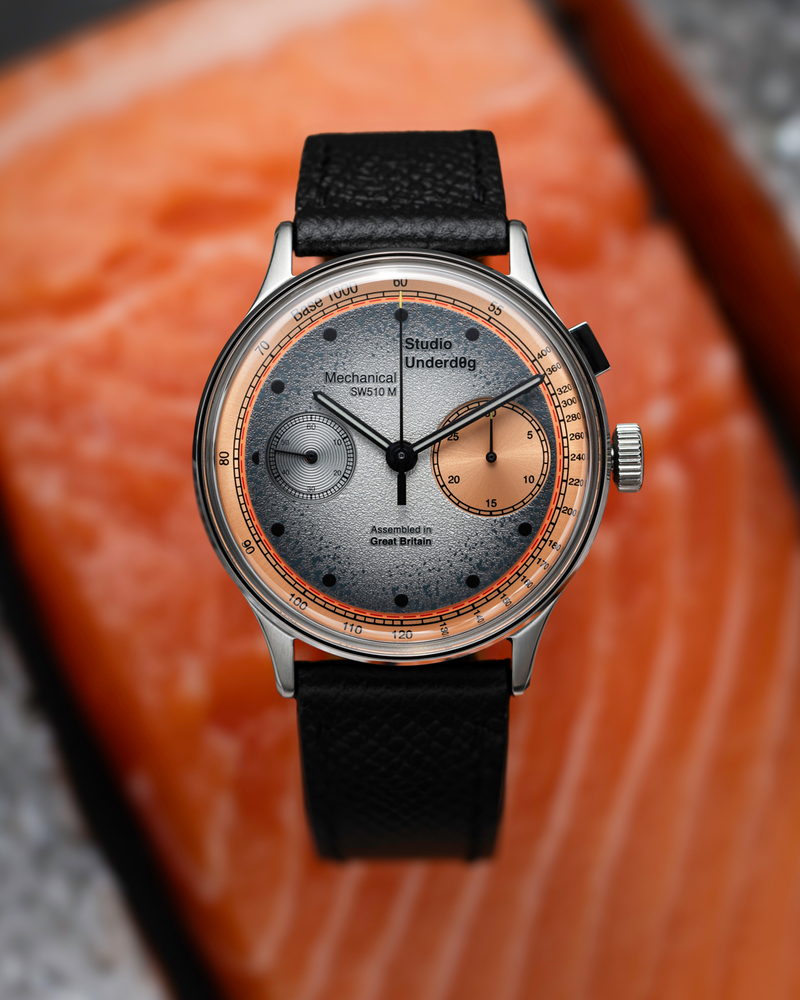
Lug geometry matters just as much. Long, straight lugs extend the case across the wrist, while short downward-curving lugs can help a larger watch sit comfortably. The nominal lug-to-lug distance is useful, but bracelet end links may extend beyond it. A rigid first link can change the actual footprint dramatically.
Thickness is another measurement that rarely tells the whole truth. A tall, flat case band may feel visually heavy. Designers can soften that effect with stepped profiles, polished bevels, contrasting finishes or a domed crystal that makes some of the height feel intentional. These techniques alter the visual mass without necessarily reducing the measured thickness.
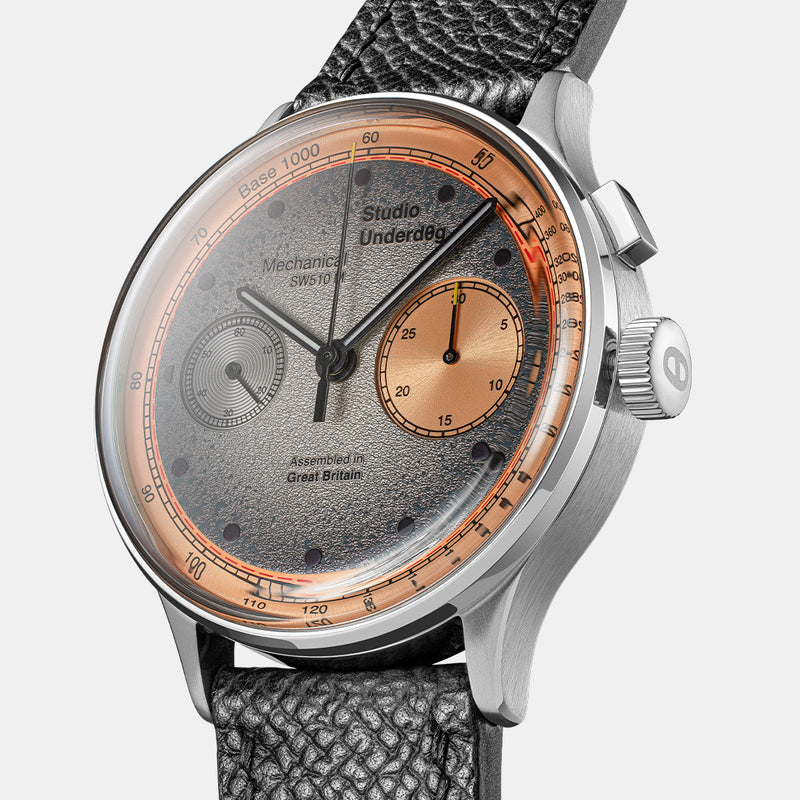
Balance continues into the strap or bracelet. A pronounced taper can make a sports watch feel more elegant, while a broad bracelet maintains a purposeful, integrated look. Crown size, caseback shape and the location of the centre of gravity also affect comfort, even if they attract less attention in product photographs.
The best test of proportions is therefore three-dimensional. Look at a watch from the front, side and on the wrist. Notice how the case connects to the strap and how the dial sits within the metal surrounding it. Specifications describe dimensions; design turns those dimensions into a coherent object.
Source & attribution
Chronolume original analysis; background: Orelvant · Published 2026-10-11 ↗
Related perspectives
Why typography can make or break a watch dial ↗
Beyond stainless steel: how materials shape a watch’s personality ↗