
Culture · 2026-10-11
Can one watch be a complete collection?
The one-watch ideal asks whether collecting is about ownership, variety or paying attention.
Save this watch to revisit later.
By Chronolume digest · Original English summary · Based on Chronolume original editorial; background reading
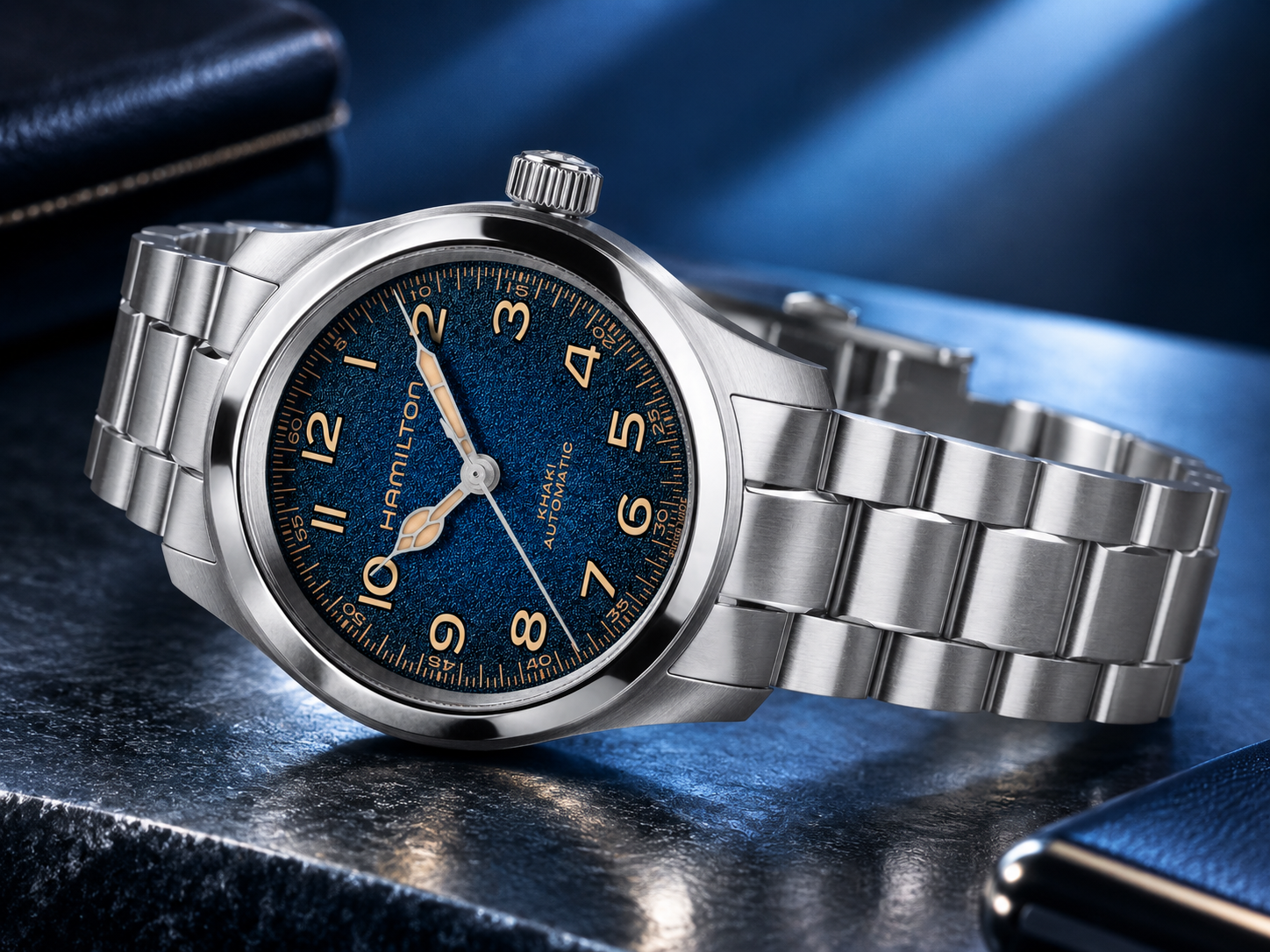
What to know
The idea of a one-watch collection sounds almost paradoxical. Collecting usually implies variety, comparison and the pleasure of choosing between objects. Yet many enthusiasts regularly ask themselves a surprisingly difficult question: if every watch had to go except one, which would remain? It is less a test of ownership than a test of taste.
The usual candidates combine several virtues. They are comfortable enough for a long day, legible at a glance and durable enough for an unpredictable weekend. They look natural with casual clothes but do not feel out of place at dinner. A sensible water-resistance rating, versatile strap or bracelet and uncomplicated servicing all help.
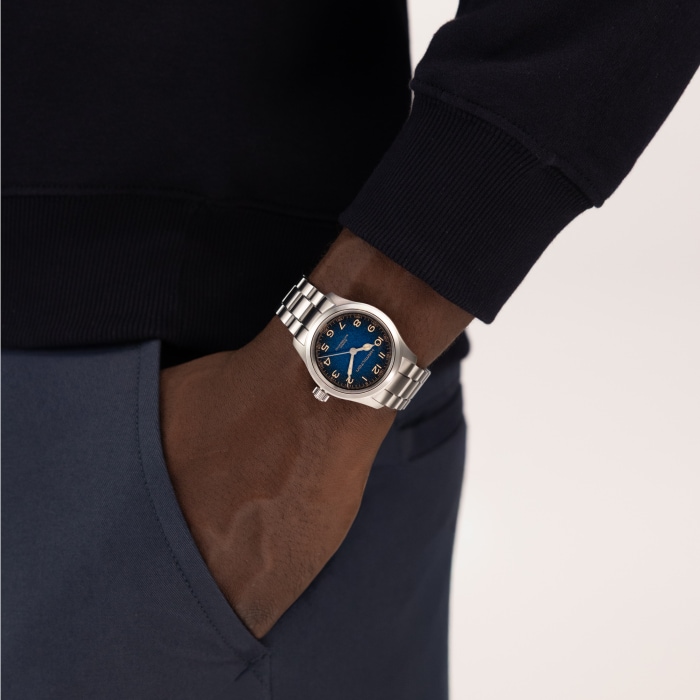
Still, a specification checklist cannot produce a definitive winner. The most versatile watch on paper may feel uninspiring on the wrist. A slightly impractical piece might make its owner smile each morning. A one-watch collection only works when emotional attachment and daily usefulness overlap; without that, minimalism becomes a constraint rather than a pleasure.
Proportions deserve more attention than prestige. A modestly sized watch that slips under a sleeve and stays balanced throughout the day may see more use than an imposing luxury model. Equally, a clear dial that remains enjoyable in different lighting conditions may matter more to everyday satisfaction than a complicated movement rarely used.
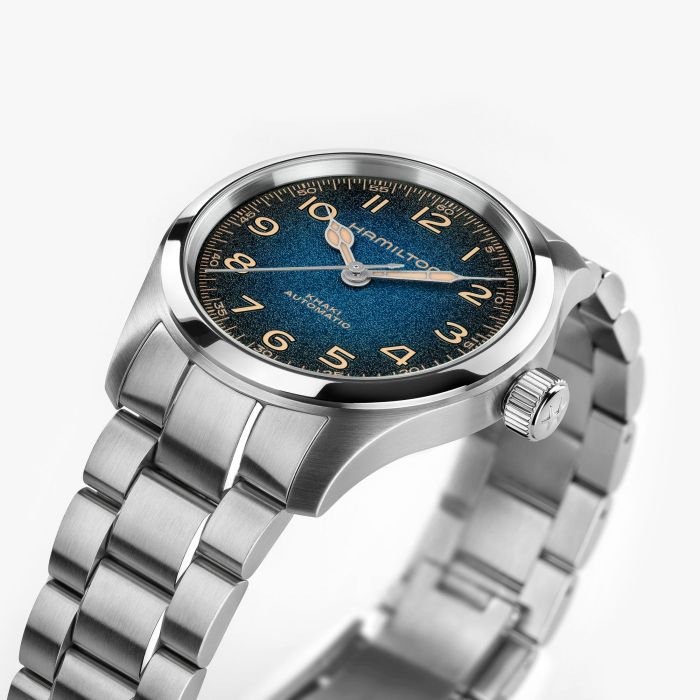
Owning a single watch also changes the relationship with it. The wearer becomes familiar with its weight, the way the dial catches afternoon light and the feeling of winding or setting it. It accumulates marks and memories continuously rather than spending weeks untouched in a box. Familiarity can deepen appreciation in ways that novelty cannot.
Of course, there is no moral advantage in having one watch instead of ten. Variety itself can be rewarding, particularly when different pieces express different design ideas. The useful question is not how many watches a serious enthusiast should own. It is whether the collection, whatever its size, brings more enjoyment than the constant search for the next addition.
Source & attribution
Chronolume original editorial; background reading · Published 2026-10-11 ↗
Related perspectives
Why typography can make or break a watch dial ↗
Why case diameter tells only half the design story ↗
Beyond stainless steel: how materials shape a watch’s personality ↗