
Culture · 2026-10-11
Why microbrands have changed watch collecting
Smaller independent labels bring bolder design, direct conversations and new enthusiast communities.
Save this watch to revisit later.
By Chronolume digest · Original English summary · Based on Chronolume original editorial; background reading
What to know
Modern watch culture no longer revolves exclusively around the familiar Swiss names. Small independent brands have found an audience willing to celebrate unusual proportions, unconventional colours and founders who speak directly with enthusiasts. The resulting watches do not always follow the accepted script of luxury watchmaking—and that is often precisely the attraction.
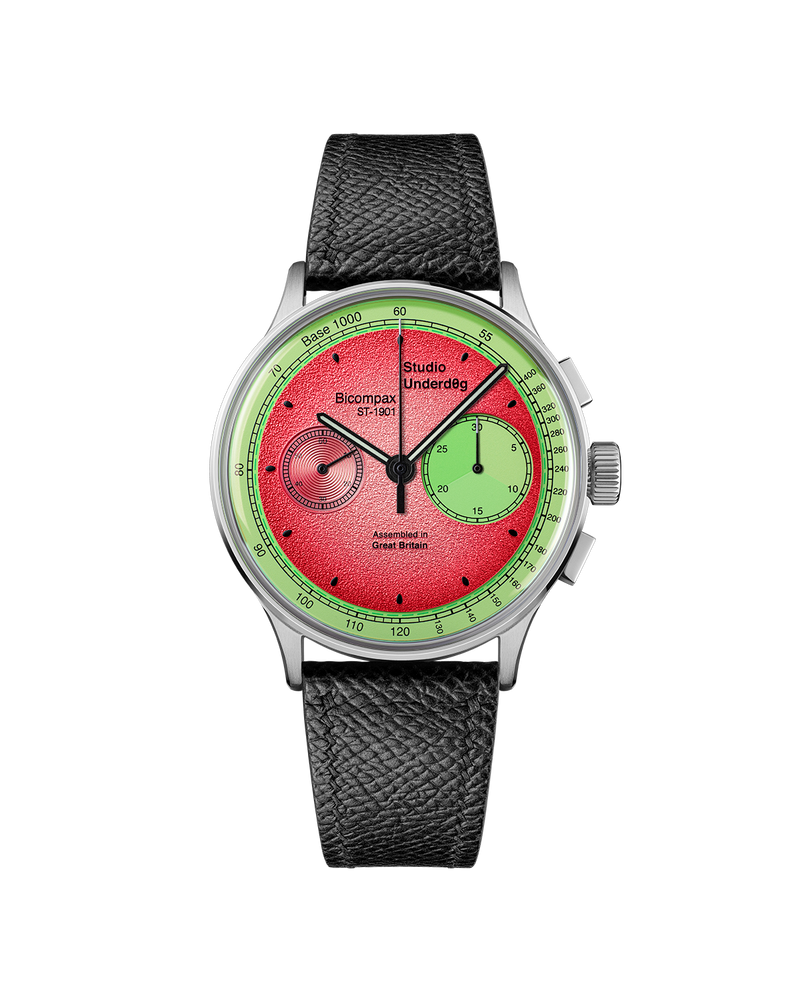
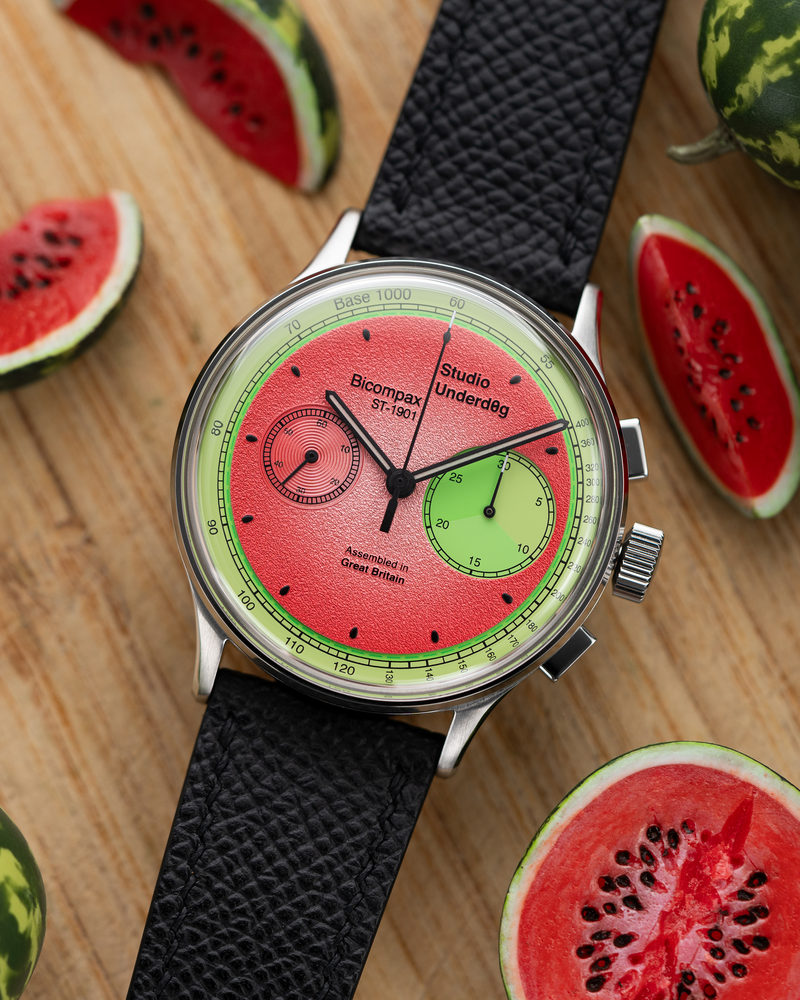
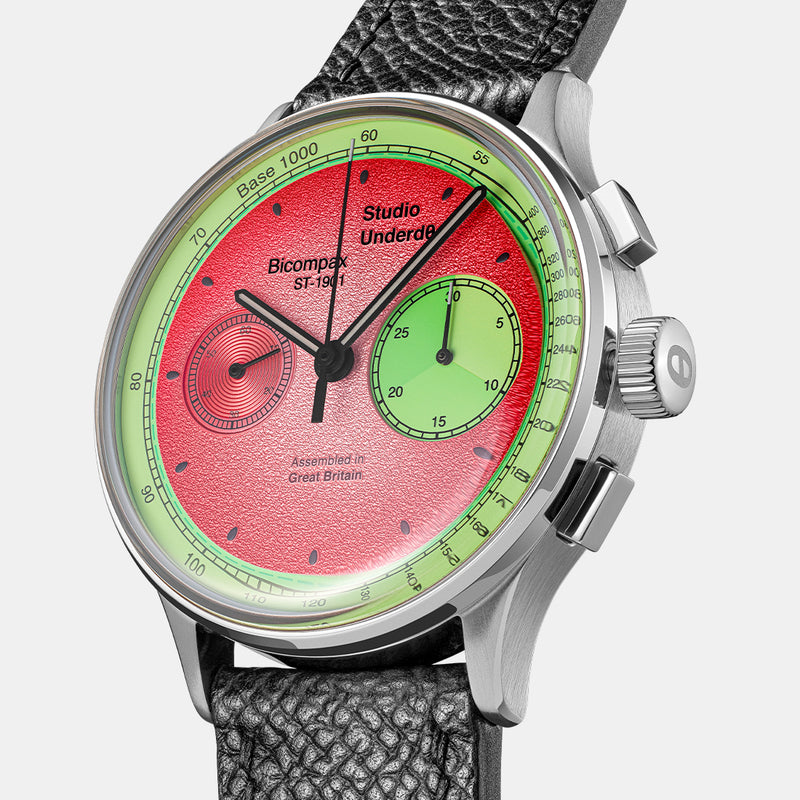
A microbrand can experiment where a multinational manufacturer may hesitate. A fruit-inspired chronograph, an unexpected field-watch dial or a revived case architecture can become the centre of an entire brand identity. Studio Underd0g's playful approach is a good example: the idea behind a watch is immediately legible, even to people who know little about its movement.
The business model shapes the community. Direct-to-consumer sales, development updates and conversations with founders can make collectors feel closer to the design process. Instead of seeing only a polished advertising campaign, buyers may encounter sketches, prototype revisions and explanations of manufacturing compromises. That openness can be engaging when it is genuine.
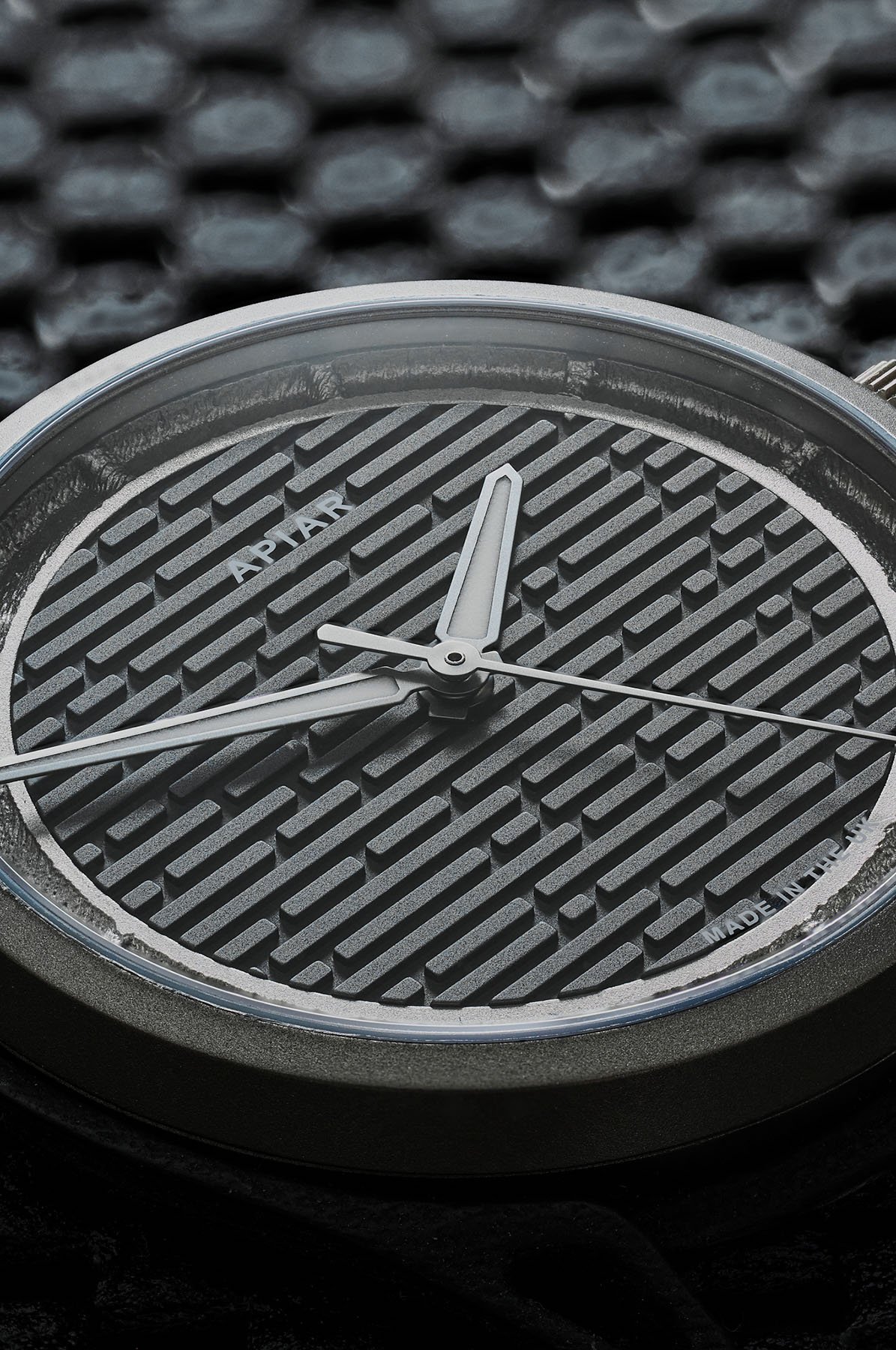
Yet independence does not automatically mean better value or better quality. Many smaller brands sensibly rely on established third-party movements, specialist suppliers and external production partners. Buyers should evaluate finishing, tolerances, after-sales service and warranty terms as carefully as they would with a larger company. An appealing story does not replace sound engineering.
Scarcity brings another complication. Limited production can reflect real manufacturing constraints, but it can also amplify launch-day pressure and fear of missing out. Collectors should distinguish buying a watch because they genuinely admire its design from buying one chiefly because a countdown timer suggests it will disappear. The latter rarely creates durable affection.
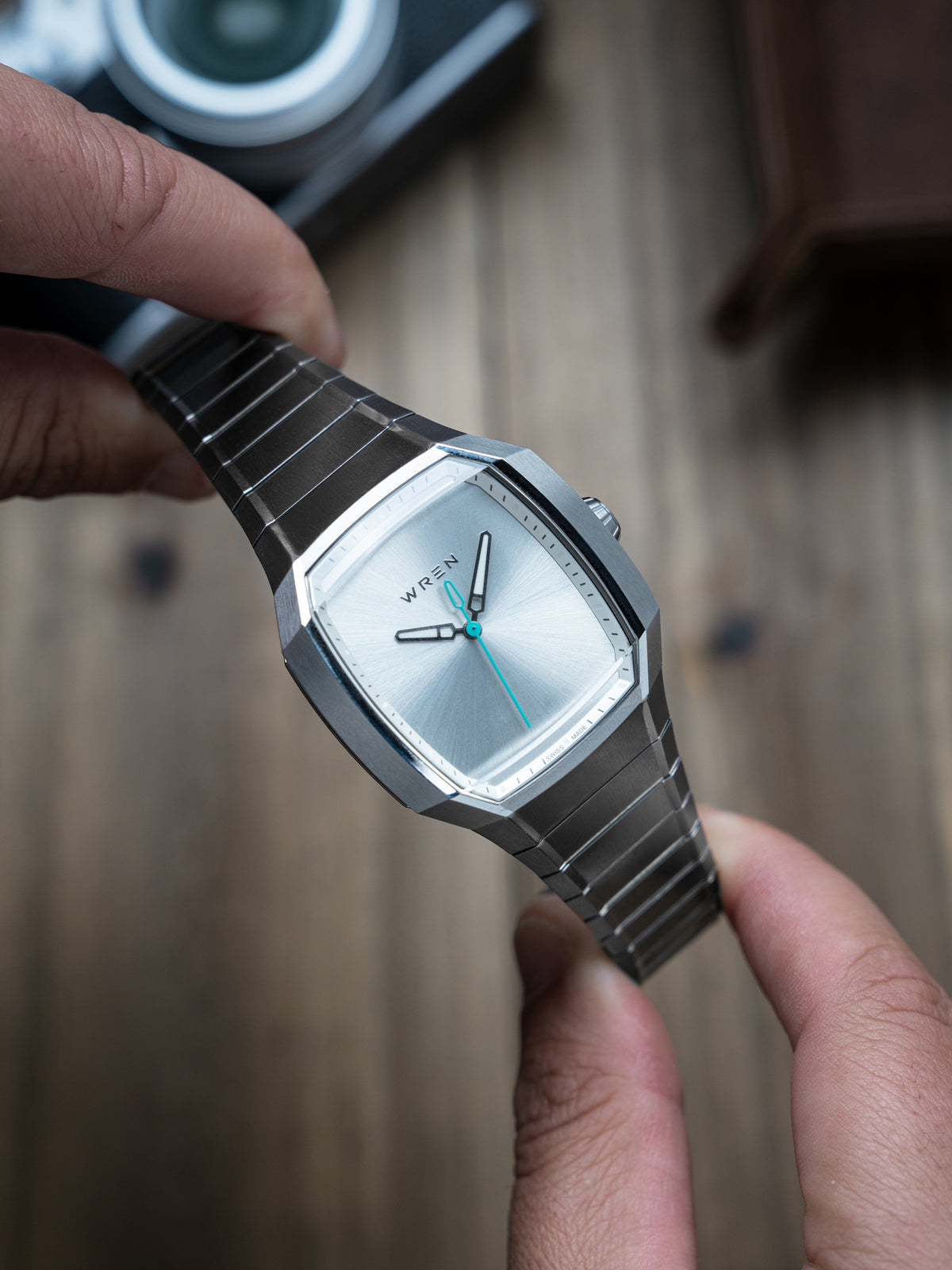
The most important contribution of microbrands may ultimately be cultural. They expand the range of ideas that collectors consider legitimate. They remind established manufacturers that humour, experimentation and personality can coexist with serious watchmaking. And they invite enthusiasts to judge a watch by what it achieves rather than simply by the name printed on the dial.

Source & attribution
Chronolume original editorial; background reading · Published 2026-10-11 ↗
Related perspectives
Why typography can make or break a watch dial ↗
Why case diameter tells only half the design story ↗
Beyond stainless steel: how materials shape a watch’s personality ↗